
Weather conditions so far in the 2026 fruit season present an encouraging outlook. For both producers and market participants, it is good news that winter and early spring have so far provided ideal conditions for fruit orchards. If the weather remains favorable in the coming weeks, the prospects for a strong fruit season are becoming increasingly clear.
A Favorable Winter for Fruit Trees
One of the most important characteristics of this winter was the absence of severe and prolonged frosts that could have damaged the buds or structure of fruit trees. At the same time, temperatures were sufficiently low to meet the chilling requirements necessary for proper plant development, while also helping to naturally reduce pest populations.
This combination — milder frost-free periods alongside the required cold exposure — has created a particularly strong foundation for this year’s season.
Precipitation levels have also developed favorably. During the winter months and early spring weeks, adequate rainfall helped replenish soil moisture reserves. This is especially important at the beginning of the growing season, when fruit trees begin their period of intensive growth.
Apricot Bloom Has Already Finished
One of the first major milestones of the season has already passed: the apricot bloom began on time and has now largely finished across most production areas.
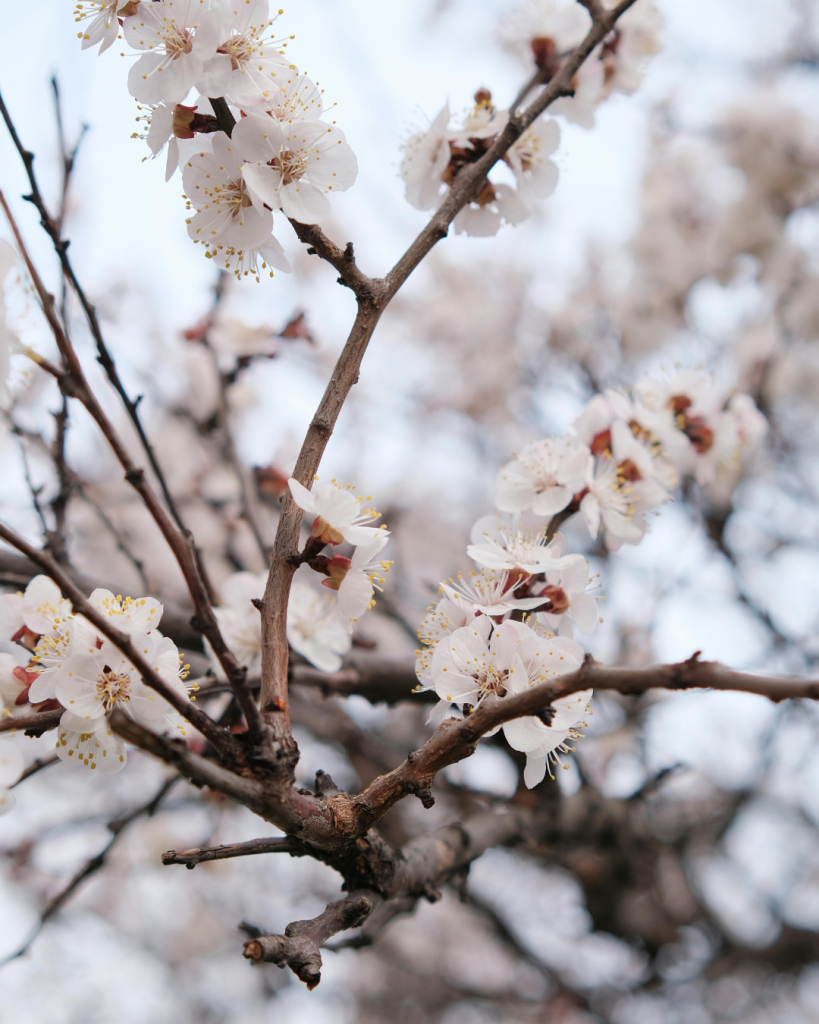
The flowering period occurred under frost-free conditions, which is particularly positive after the repeated frost damage seen in recent years. Stone fruits, especially apricots, are highly sensitive to spring frosts, so any year in which flowering proceeds without disruption significantly increases the chances of a good harvest.
Stone Fruits Are Next
Depending on the production regions and varieties, the flowering of cherries, sour cherries, and plums has begun. Fruit trees are currently at different stages of development, ranging from early bloom to full flowering depending on the location and variety.
Unfortunately, in recent days night and early morning temperatures have dropped to 0 to –2°C in Central Hungary, and –3 to –5°C in Northeast Hungary, where most sour cherry orchards are located. According to current forecasts, similar temperatures may continue for the next two days.
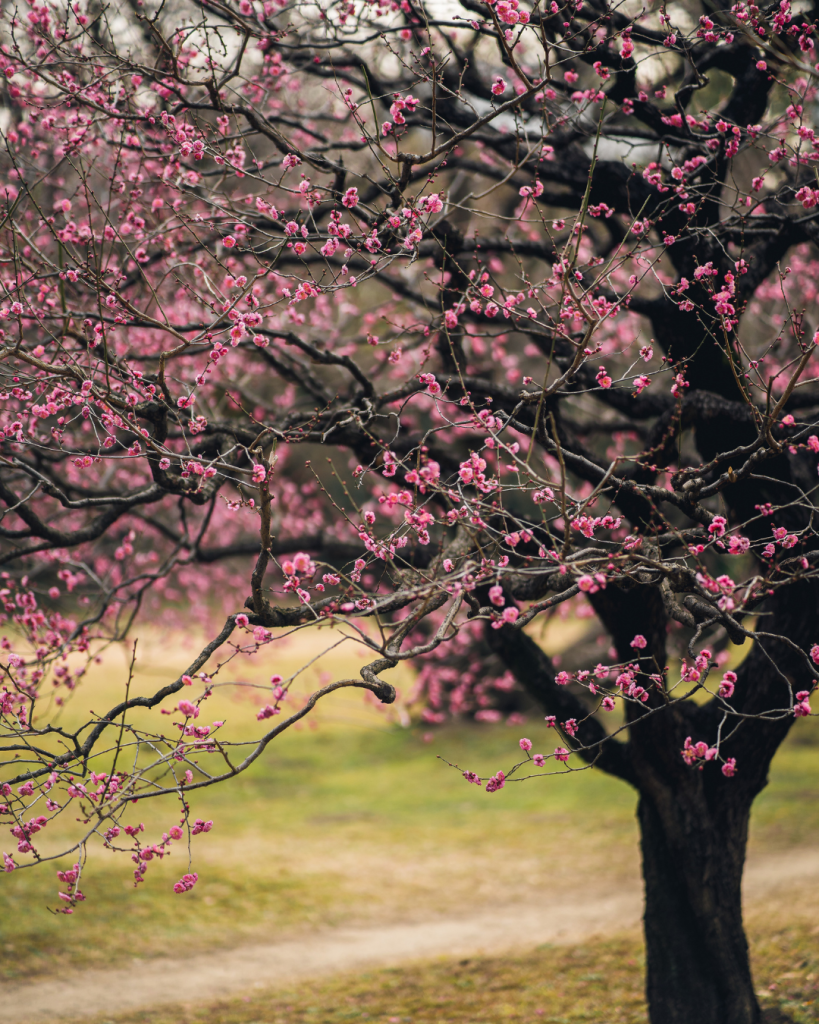
Based on previous experience, temperatures between 0 and –2°C usually do not cause significant damage to blossoms. However, temperatures around –5°C can only be effectively managed with intensive frost protection. Unfortunately, many Hungarian growers are not equipped with advanced frost protection systems, therefore it is very likely that the current weather conditions will cause some losses in this year’s crop. The extent of the damage will become clearer toward the end of April.
What Do the Weather Forecasts Show?
Short-term meteorological forecasts indicate that after the current cold spell, night-time temperatures around the freezing point may occur again between April 20–24.
Of course, weather always remains an unpredictable factor in agriculture. However, based on current developments, the level of frost damage is unlikely to be as severe as in the past two years.
After the flowering period, fruit set will become visible toward the end of April, therefore a more precise forecast regarding the expected harvest will be provided at the beginning of May.